

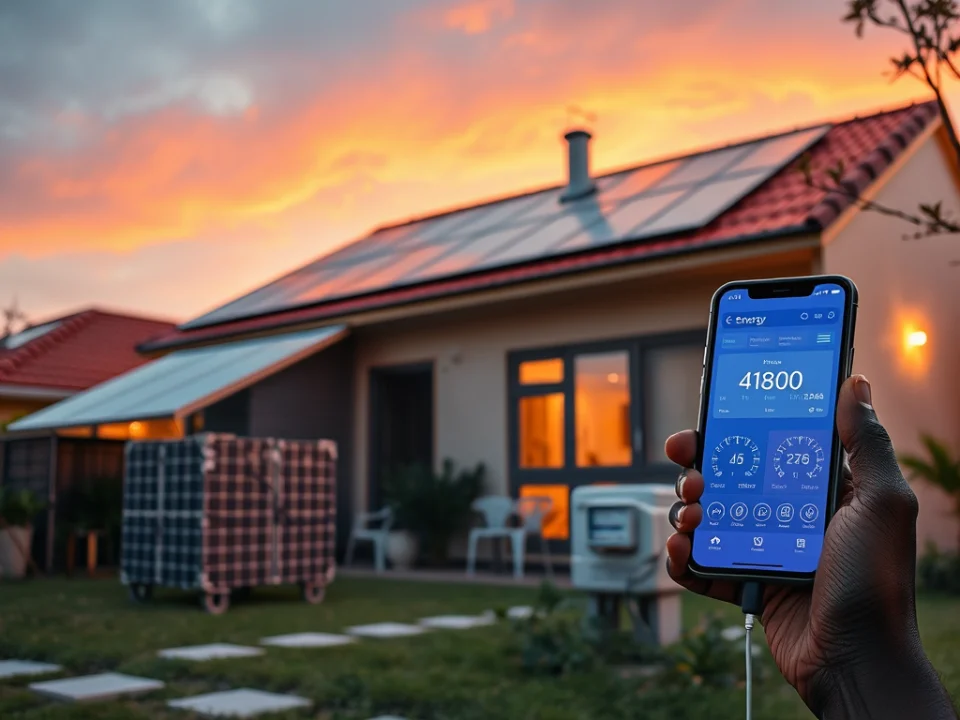
As power sectors modernise across emerging markets, electricity billing is no longer defined solely by how much energy is consumed — but increasingly by when it is consumed.
In India, the nationwide rollout of smart meters and the gradual implementation of Time-of-Use (TOU) tariffs are reshaping how residential, commercial, and industrial customers manage electricity costs. Similar reforms are also gaining momentum across parts of Africa, where utilities are introducing smart metering and cost-reflective tariff models to stabilise grids and improve revenue recovery.
Under these evolving systems, consumers face higher charges during peak hours and penalties for sudden demand spikes. However, while unmanaged systems may see rising electricity bills, those equipped with intelligent solar and battery storage solutions can convert these regulatory changes into measurable financial savings.
Hybrid inverter platforms are now central to this transition.
Why TOU Tariffs Matter
Under TOU billing structures, electricity prices vary throughout the day. Tariffs are typically lower during solar-rich daytime hours and significantly higher during evening peaks or industrial high-demand periods.
Smart meters record real-time energy usage and maximum demand with greater accuracy, meaning even short-duration load spikes can substantially increase monthly bills.
This new billing reality demands active energy management, not just solar generation. Hybrid systems that intelligently coordinate solar PV, battery storage, and grid interaction enable users to:
-
Reduce grid dependency during peak pricing windows
-
Store energy when it is cheap
-
Discharge stored energy when tariffs rise
-
Avoid costly maximum-demand penalties
These principles are increasingly relevant not only in India, but also in African countries modernising their electricity frameworks, including South Africa, Kenya, Zambia, and Nigeria.
Hybrid Solutions for Homes & Small Businesses
For residential users and small commercial facilities facing rising tariffs, voltage instability, and load shedding, hybrid inverter platforms provide greater control and resilience.
Key cost-saving capabilities include:
-
Solar-first energy usage, ensuring daytime loads are powered directly from PV systems
-
Intelligent battery charging during low-tariff or high-solar periods
-
Battery discharge during peak tariff windows to minimise grid draw
-
Peak load support, reducing sudden demand spikes that inflate electricity bills
-
Export control functionality, helping users comply with utility feed-in limits
Flexible operating modes allow automatic energy optimisation without constant user intervention, while real-time monitoring platforms provide full visibility over consumption, generation, and storage performance.
In African markets where grid reliability remains a concern, these systems also provide backup power functionality, reducing reliance on costly diesel generators.
Industrial & Commercial Energy Optimisation
For factories, warehouses, mining support facilities, and large commercial operations, TOU billing and demand charges can significantly impact operating costs.
Advanced hybrid inverter platforms designed for commercial and industrial (C&I) use offer:
-
Peak shaving and demand control, discharging batteries during peak tariff periods to reduce recorded maximum demand
-
Time-based energy arbitrage, storing energy when tariffs are low and deploying it when prices rise
-
Reduced diesel generator runtime, lowering fuel and maintenance costs
-
High-capacity scalability, supporting large PV arrays and battery banks suited to industrial operations
In sectors such as mining, agro-processing, and manufacturing — critical across both India and Africa — energy storage is increasingly viewed not as backup infrastructure, but as a financial optimisation tool.
A Strategic Shift for Emerging Energy Markets
As smart meters and TOU tariffs become standard practice in developing economies, energy systems must evolve beyond simple power generation.
Modern hybrid solutions integrate:
-
Solar PV generation
-
Battery storage
-
Load prioritisation
-
Grid interaction
-
Generator coordination
All within a single intelligent platform.
For countries undergoing grid reform and rapid industrial expansion — whether in India or across Africa’s growing energy landscape — hybrid inverter systems provide a pathway to:
-
Lower operating costs
-
Improved grid stability
-
Reduced fuel dependence
-
Greater energy predictability
The Bottom Line
Smart metering and TOU pricing are redefining electricity economics. While these changes can increase costs for passive consumers, they create significant savings opportunities for those equipped with intelligent hybrid systems.
For residential users, small businesses, and industrial operators alike, the future of energy management lies in systems that adapt, respond, and optimise in real time — turning regulatory change into long-term financial advantage.
