

The sixth High-Level Political Dialogue on Energy between the European Union and Algeria was held in Algiers, reinforcing a long-standing strategic partnership at a time of heightened global energy volatility and accelerating energy transition efforts.
The meeting was co-chaired by Mohamed Arkab, Algeria’s Minister of State and Minister of Hydrocarbons and Mines, Mourad Adjal, Minister of Energy and Renewable Energies, and Dan Jørgensen, European Commissioner for Energy and Housing. The dialogue forms part of the implementation of the 2013 Memorandum of Understanding on the EU–Algeria strategic energy partnership, which aims to strengthen bilateral cooperation while maintaining a balanced framework of mutual interest.
Strategic Partnership in a Changing Energy Landscape
Ahead of the formal session, bilateral discussions explored new avenues for cooperation, with both sides reaffirming the strategic importance of the partnership amid ongoing geopolitical tensions, fluctuating global energy markets, and mounting climate commitments.
The dialogue reviewed progress under sectoral working groups and expert groups established in 2015, covering natural gas, electricity, renewable energy, hydrogen, and energy efficiency. These technical platforms continue to play a central role in aligning regulatory approaches, infrastructure planning, and investment strategies.
For North Africa and the broader Mediterranean region, the partnership signals the EU’s continued commitment to diversifying supply sources while accelerating clean energy collaboration with neighbouring producer countries.
Natural Gas Security and Methane Reduction
Natural gas remains a cornerstone of EU–Algeria energy relations. Algeria continues to play a critical role as a reliable and competitive supplier of gas to Europe, particularly in the context of Europe’s efforts to enhance energy security and diversify supply routes.
Discussions emphasised the importance of sustaining and potentially increasing European investment in Algeria’s hydrocarbons sector, particularly in upstream natural gas development.
Methane emission reduction also featured prominently. Both parties discussed coordination around implementation of the EU Methane Regulation to safeguard Algerian gas exports to the European market. The EU welcomed Algeria’s commitment to reducing fugitive methane emissions, recognising this as essential for maintaining the long-term competitiveness and sustainability of gas trade.
For Africa more broadly, the methane discussion underscores the growing linkage between environmental compliance and market access — a trend increasingly relevant to gas-exporting nations across the continent.
Green Hydrogen and Renewable Energy Development
A key focus of the 2026 dialogue was the advancement of renewable energy and green hydrogen cooperation.
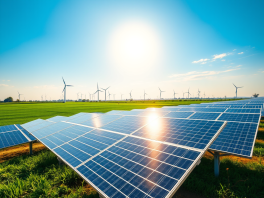
The SoutH2 Corridor project — designed to transport hydrogen from North Africa to Europe — was highlighted as a strategic initiative that could position Algeria as a major supplier of renewable electricity and green hydrogen to European markets.
Algeria’s competitive advantages include:
-
Abundant solar and wind resources
-
Established gas infrastructure adaptable for hydrogen transport
-
A skilled energy workforce
-
Proximity to European demand centres
However, both sides acknowledged ongoing challenges in scaling hydrogen markets. These include regulatory harmonisation, investment mobilisation, infrastructure readiness, market transparency, and ensuring that hydrogen development generates local employment and industrial value.
The hydrogen agenda is increasingly relevant across Africa, where countries such as Namibia, Egypt, Mauritania, and Morocco are also positioning themselves as future green hydrogen exporters.
Electricity Interconnections and Infrastructure Investment
Infrastructure development remains central to deepening cooperation. Strengthening electricity interconnections between Algeria and Europe was identified as a priority area.
Both parties committed to enhancing collaboration on regulatory frameworks and facilitating investment to advance cross-border electricity links. Improved grid integration and transmission capacity are seen as essential to supporting renewable deployment and long-term energy trade.
TaqatHy+ Programme: Supporting the Energy Transition
The partnership will continue under the TaqatHy+ technical cooperation programme, launched in April 2025. The programme is co-financed by the EU (€15 million) and Germany (€13 million) and implemented by GIZ.
TaqatHy+ supports:
-
Renewable energy deployment
-
Grid integration and system modernisation
-
Hydrogen economy development
-
Energy efficiency in buildings and public enterprises
-
Methane emission reduction
Since the previous ministerial meeting in October 2023, multiple expert group sessions and technical seminars have reinforced collaboration in hydrogen and methane mitigation, strengthening institutional and technical capacity.
Long-Term Commitment to Energy Security and Transition
Concluding the dialogue, both sides expressed satisfaction with the progress achieved and reaffirmed their commitment to consolidating cooperation under the High-Level Energy Dialogue framework.
The EU–Algeria partnership continues to serve dual objectives:
-
Strengthening Europe’s energy security through diversified and reliable supply
-
Supporting Algeria’s transition toward a more diversified, low-carbon energy system
For Africa, the dialogue reflects a broader trend: traditional hydrocarbon partnerships are increasingly evolving into integrated energy alliances that combine gas security with renewable expansion and hydrogen development.
As global energy markets continue to transform, such strategic partnerships are expected to play a pivotal role in balancing energy security, climate ambition, and sustainable economic growth.
